
What is glaucoma?
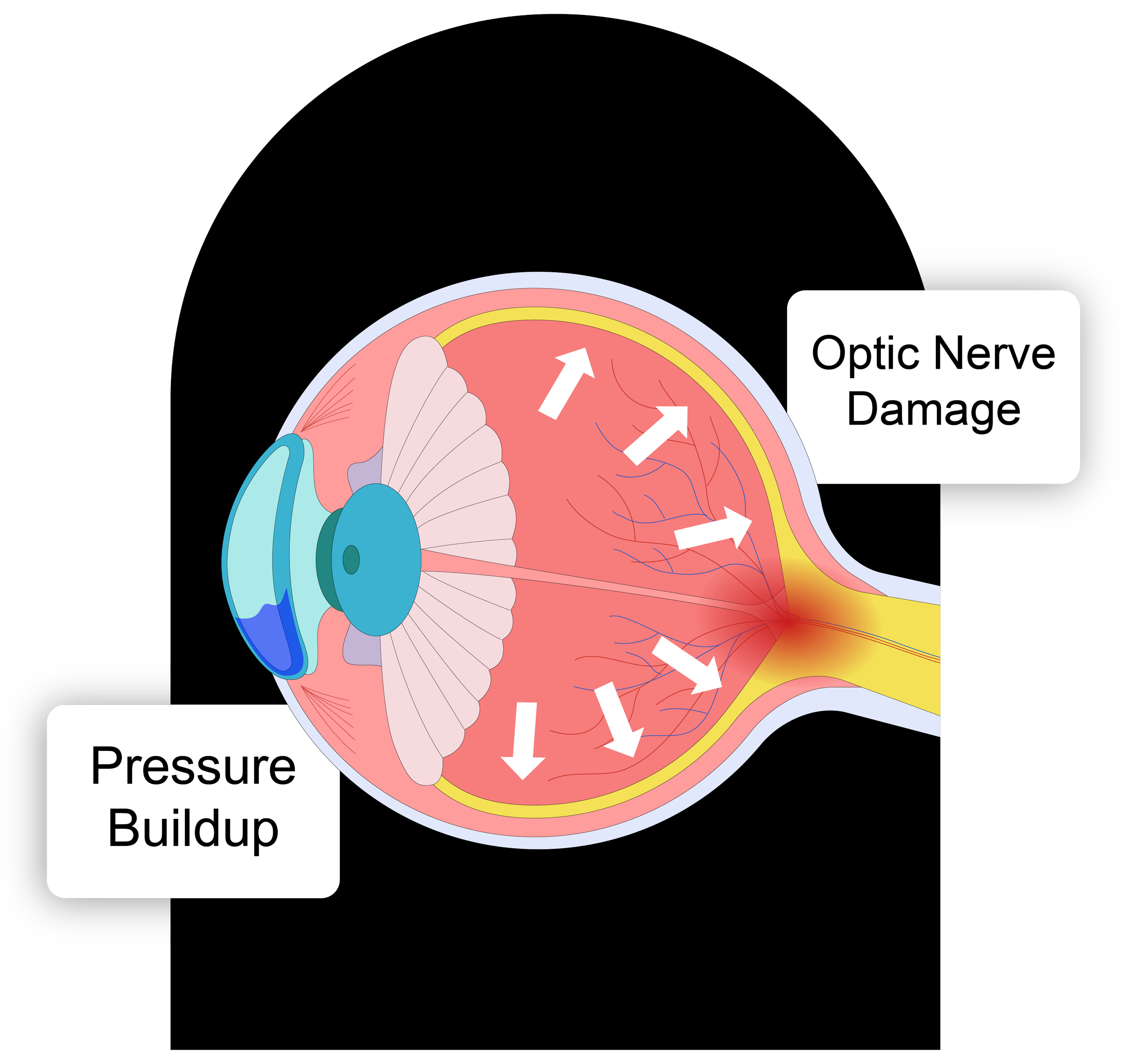
Glaucoma is a group of eye conditions, often associated with elevated intraocular pressure, that damage the optic nerve. This deterioration can result in partial or complete vision loss. The condition typically progresses without noticeable symptoms, making vision changes difficult to detect until significant damage has occurred.
Risk Factors
Anyone can get glaucoma, but some people are at a higher risk. Aside from having a family history of glaucoma, you are at risk if you are:
What Causes
glaucoma?
There isn’t one specific cause of glaucoma. When the pressure inside your eye gets too high, it can damage the optic nerve and cause vision loss. Treatments work to lower eye pressure, which helps to slow the disease.
-
Dr. Dobler-Dixon’s goal is to bring down the pressure inside the eye. That can help slow down or stop the disease in most cases.
There are three main ways to lower eye pressure in glaucoma: using special eye drops, using laser therapy, or having surgery. The goal is to keep your vision stable and protect the optic nerve from further damage.
-
There are three important parts of the eye: the optic nerve, the ciliary body, and the angle of the front part of the eye.
The optic nerve is like a cable that sends pictures from your eye to your brain.
The ciliary body is where the eye makes a watery liquid that helps the front part of your eye stay healthy.
The angle of the front part of your eye is like a tiny space between the clear part of your eye and the colored part. When too much liquid builds up, it can make the pressure in your eye go up, and that can damage your eye.
-
High eye pressure alone doesn't mean you have glaucoma. Many people with high eye pressure don't have glaucoma and might not develop it. But, if you do have glaucoma, high eye pressure gives a higher risk of vision loss over time compared to people with lower eye pressure. So, treating high eye pressure is important in glaucoma care to prevent or slow down vision loss.
-
The optic nerve is like a cable connecting the eye to the brain. When the optic nerve gets damaged, it can lead to permanent vision loss. The good news is that doctors can use a tool to look at the optic nerve and spot the early signs of glaucoma.
Glaucoma can also cause parts of the optic nerve to get thinner. This can lead to vision problems, too.
-
You may hear your eye doctor refer to your eye’s angle. This is the anatomical angle formed between the iris and the cornea. Combined with the trabecular meshwork, the structure below the iris, this forms the drainage canal for fluid inside the eye.
-
Early vision loss happens in the side part of your vision. It is slow, so you might not notice it at first.
Doctors can spot changes in your optic nerve early, even before you lose a lot of vision. They use special tests to check your side vision, called the "visual field."
Glaucoma damage starts from the blind spot in your eye, curves around the center, and stops suddenly on the inner side. So, doctors watch these changes closely to manage glaucoma and protect your vision.
-
If you have glaucoma, you need to see your doctor regularly to check your eyes and make sure treatment is working.