
glaucoma Surgery
When eye drops and laser treatments fail to adequately manage intraocular pressure, surgical intervention is necessary to protect the optic nerve and preserve visual function. Patients are typically recommended for surgery after other treatments aren’t successful in halting glaucoma progression. Three main surgical approaches (outlined below) are commonly used to reduce pressure and prevent further vision loss. Dr. Dobler-Dixon will recommend the best procedure for you based on your type of glaucoma and eye exams.
Types of Glaucoma Surgery
-
Like any surgery, there are risks, such as infection or too much pressure drop. But when glaucoma threatens vision, the benefits often outweigh the risks. Your doctor will talk through your options and help you make the right call.
-
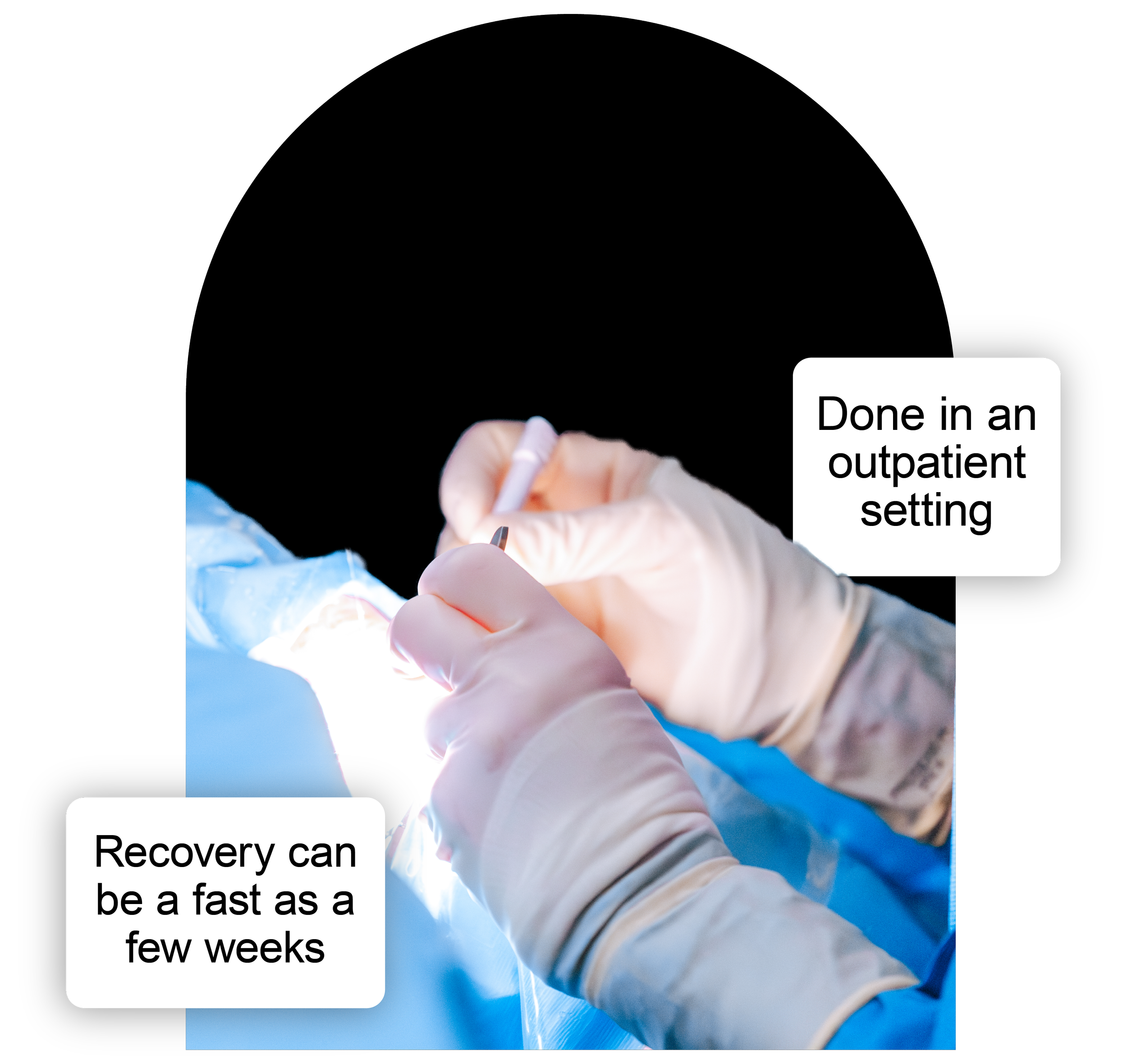
Glaucoma surgery is typically performed under local anesthesia, meaning patients remain awake but do not feel pain. Some mild discomfort or irritation may occur after the procedure, but it is usually temporary. Your doctor will provide post-operative care instructions to help manage any discomfort and ensure a smooth recovery.
-
Generally, patients have certain restrictions after surgery and will need follow-up appointments with their surgeon. You may be required to wear an eye shield and take prescribed medications. Patients should avoid swimming and similar exposure to water following glaucoma surgery.
-
Recovery time varies depending on the type of surgery performed. Most patients experience some improvement within a few weeks, but full recovery may take several months. It is important to follow all post-operative instructions and attend follow-up visits to monitor healing.
-
When glaucoma surgery is performed to lower the eye pressure, it may sometimes lower the pressure too much. The risk of having low eye pressure after glaucoma surgery varies depending on the type of surgery and various patient factors. Low eye pressure after glaucoma surgery is usually a temporary issue that resolves as the eye heals. If the low eye pressure is persistent and causing vision loss, then surgical treatment may be considered.